About me
From rebuilding a wind tunnel to building Socra.
Hi, I’m Eduarda Ferreira.
I’m the co-founder of Socra, where we help small teams fill the roles they need with AI teammates, each with its own identity. I decide what we build, my AI teammates build it, and I write zero code.
Before I built software, I built physical things. The problems I worked on taught me to look closely at what went wrong, change the process and check the next result.
Where I come from
I was born in one of the poorest areas in Brazil. My mother was pregnant with me at 14 and worked as a housemaid, and my grandparents raised me until I was seven. For as long as I can remember, I wanted to build a better life, and I wanted to be excellent at whatever I committed to.
In college in Brazil, my university had a wind tunnel that did not work. I rebuilt it, and the fluid mechanics course started teaching on it.
I moved to the United States alone to finish my mechanical engineering degree, and I worked to support myself while I studied. My first internship was in the Quality department at Siemens, helping an instructor teach engineers root cause analysis. I went through the same training again and again. We spent a long time on how to define a problem statement, because everything else depends on it. I have used that training in every job since.
Later at Siemens I worked as a mechanical designer on large gas turbines. I taught myself CAD and 3D printing there, and I printed a hands-on gas turbine model for a STEM event, so students could hold the machine I worked on every day.
Process control
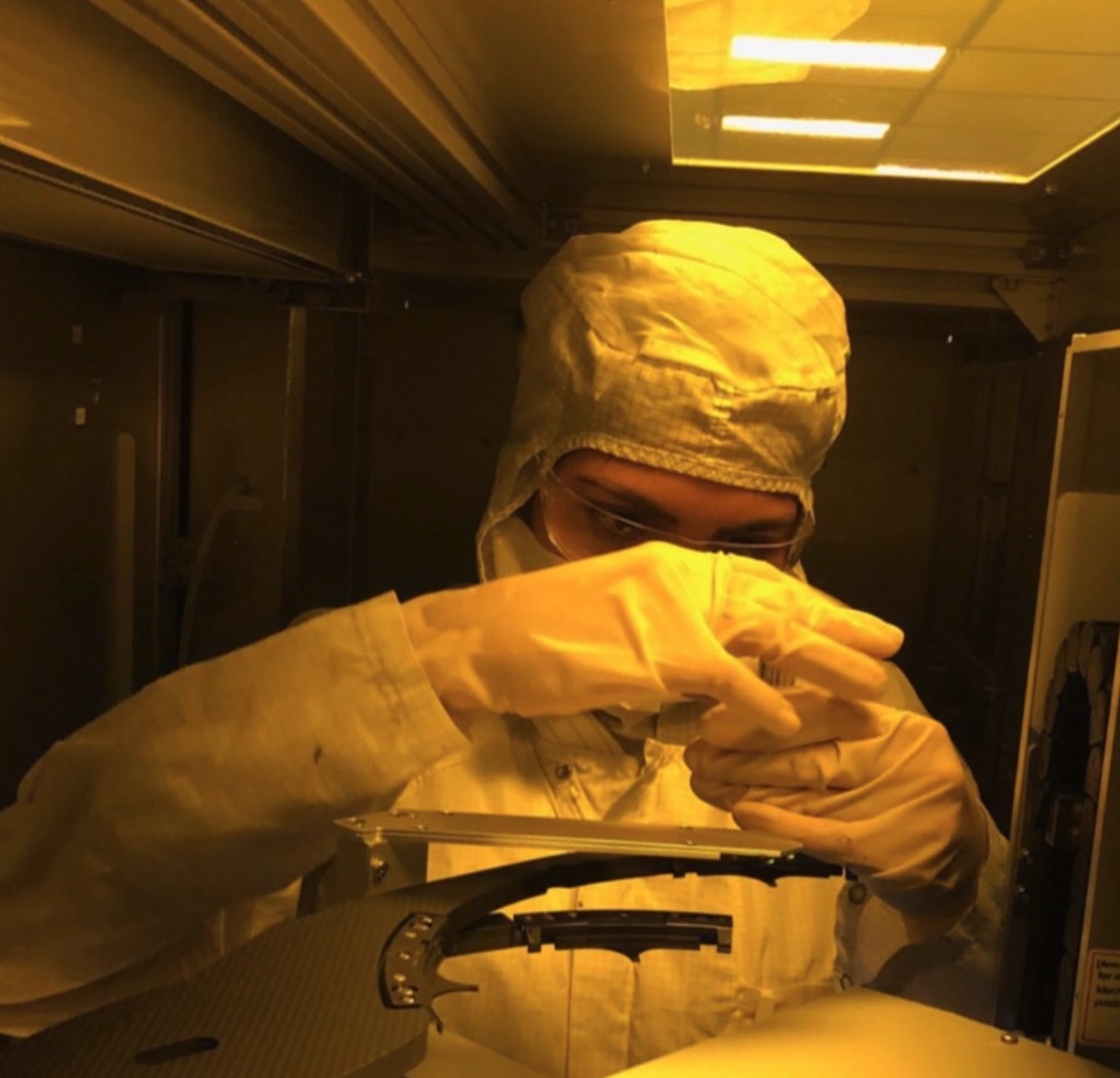
After graduation I did two things at once. I joined Texas Instruments as a photolithography engineer, and I started my own 3D printing company, where I formulated my own binder and powder materials and printed full-color parts for Siemens. I later sold the company for a profit.
At Texas Instruments I became the youngest manager at my semiconductor fab. I led two engineering teams and managed cost and scrap across the factory. We made the chips inside your iPhone and your Tesla. No other kind of manufacturing makes so many complex parts to such a high standard. A chip is the size of your fingernail and can be as complex as an airplane.
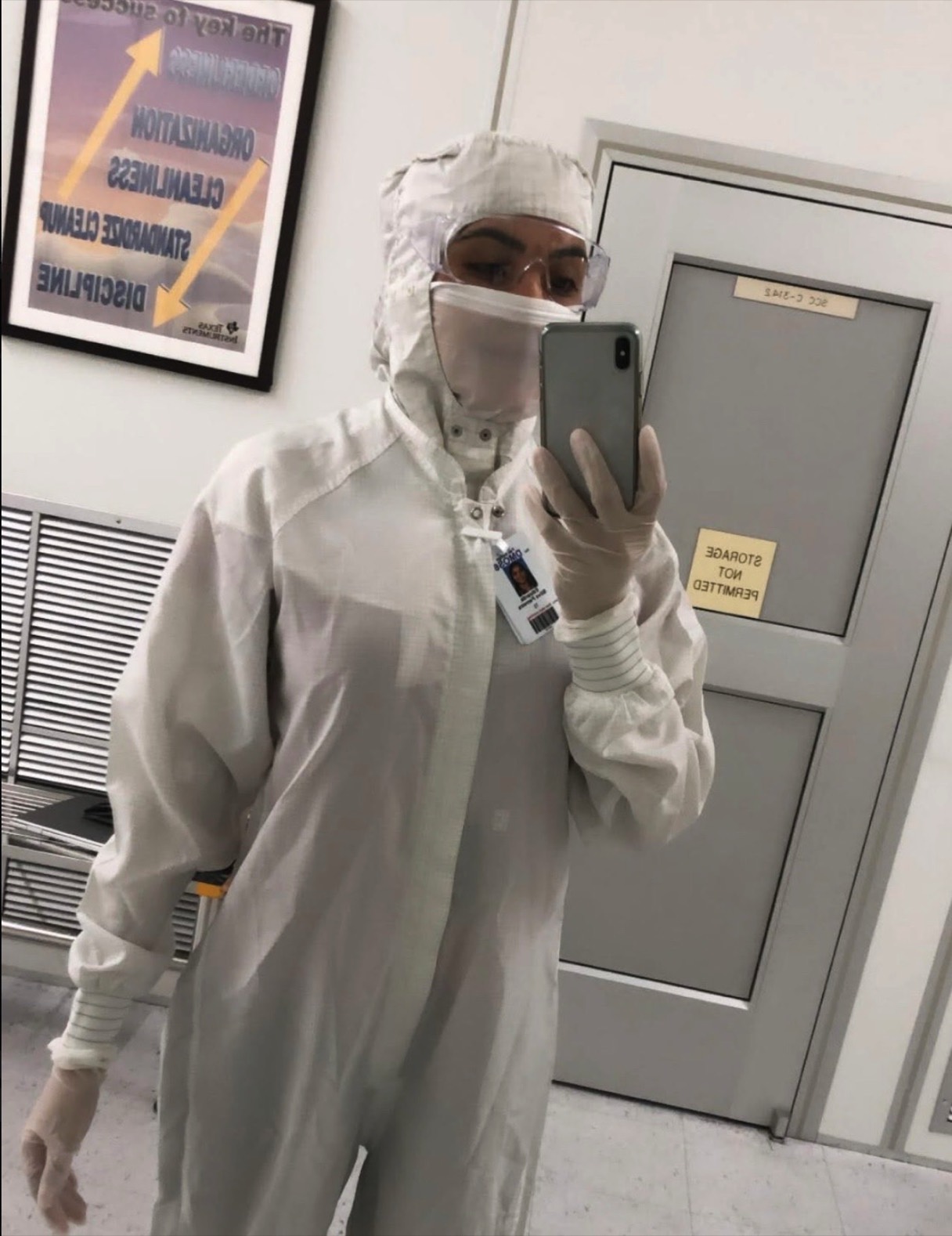
In the cleanroom I wore a full suit. I could not wear makeup or perfume, because one particle can kill a chip. The fab is where I learned process control: measure every run, eliminate the root cause of every defect, and the next run comes out better.
Then I joined ICON, a unicorn in Austin building homes with 3D printers, as an R&D program manager. I led Arches & Domes, Flat Walls and a six-axis printing robot program, along with print quality. I brought what I had learned in the fab to the printers. That was the job, and it filled my days. I still could not stop building. The printer’s nozzle bothered me: corners over-extruded, layers did not bond, and every bead needed trimming. Nobody asked me to fix it. I designed a smart nozzle on the side, built it, and it solved all three problems. It earned three patents. I love building things too much to only manage them.
Building Socra
In 2022 I left to start Socra with Mike. I wanted help figuring out what to do today to reach my long-term goals. I had worked hard to build a life in the US, but I had also wasted time on wrong paths and on problems other people had already solved.
Mike came from semiconductors too, first at Texas Instruments and then Apple silicon. He had been coding for years, on the job and building his own apps for fun, and he brought that software experience to what we were building together.
We shipped Socrates in March 2023. It guided people through their goals step by step and could operate the interface as they worked. It asked good questions and made jokes. That early product grew into Journeys, our platform for collaborating with AI.
Then we started building with AI agents, and they kept repeating mistakes I had already corrected. What I had learned in the fab became useful again, and it led us to build Cortex. I tell that story in How I Use Cortex.
My life outside the swarm
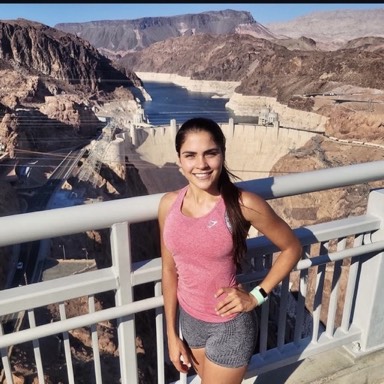
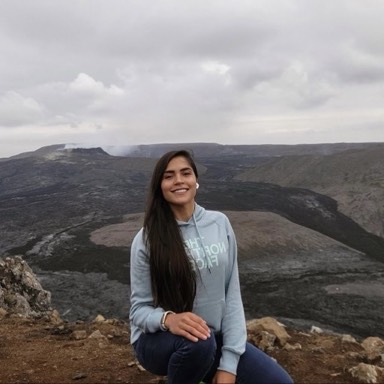
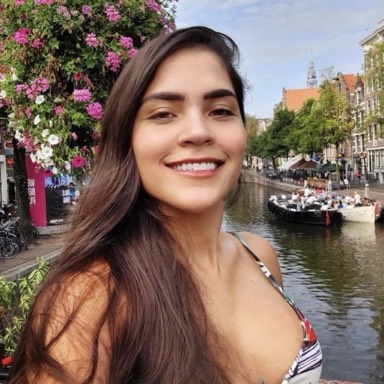
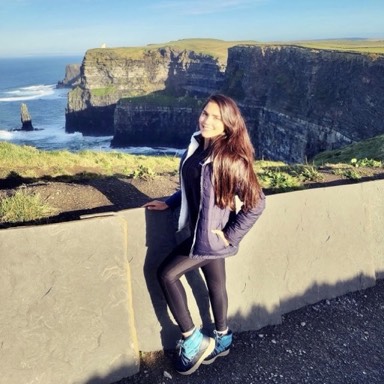
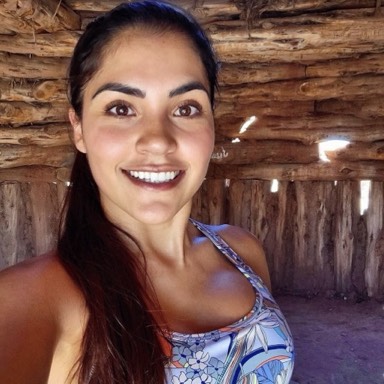
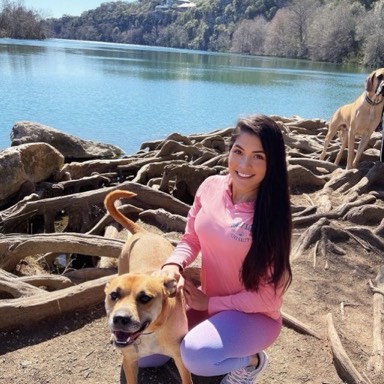
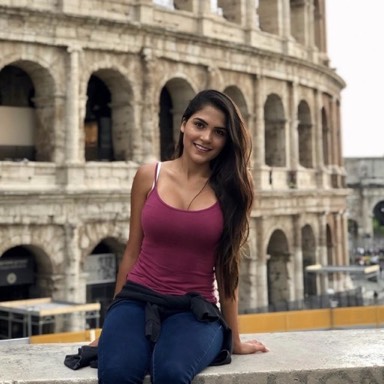
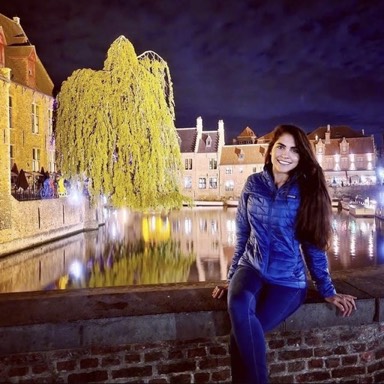
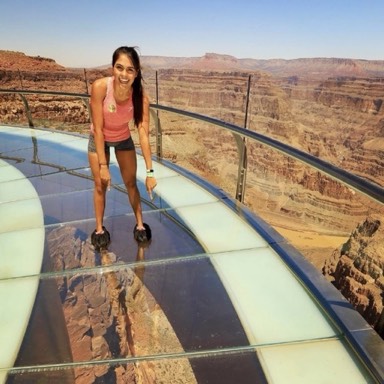
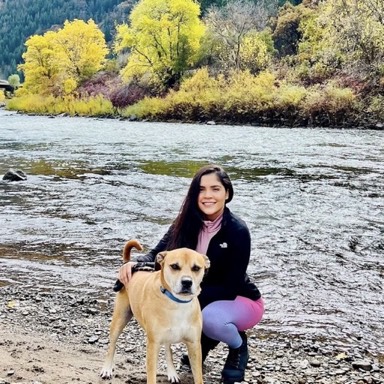
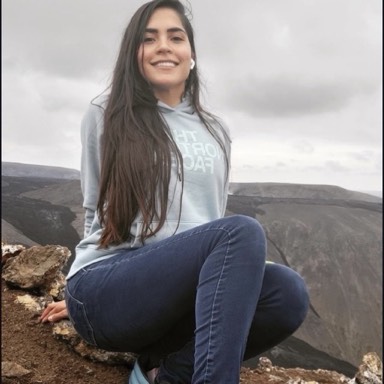
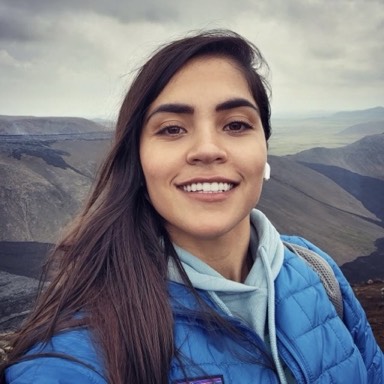
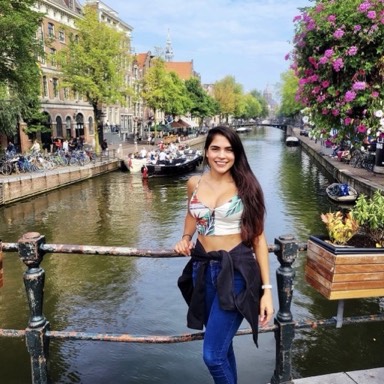
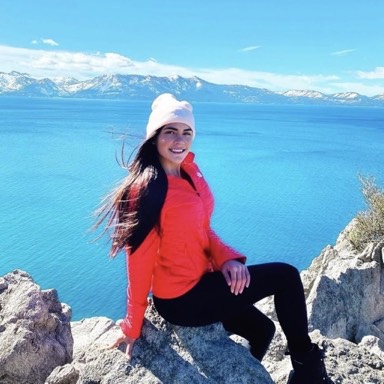
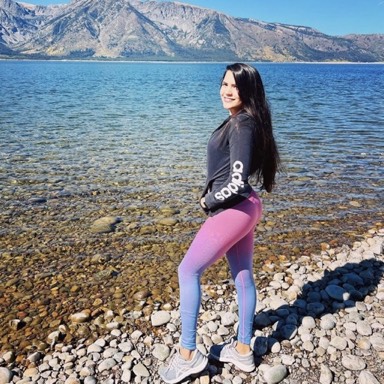
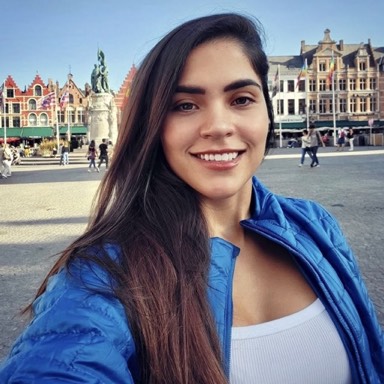
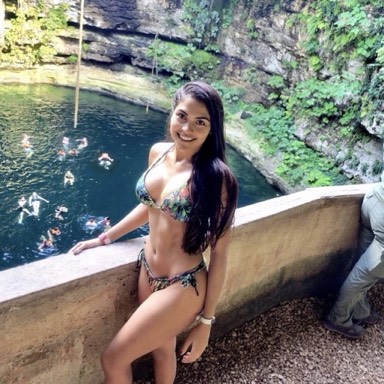
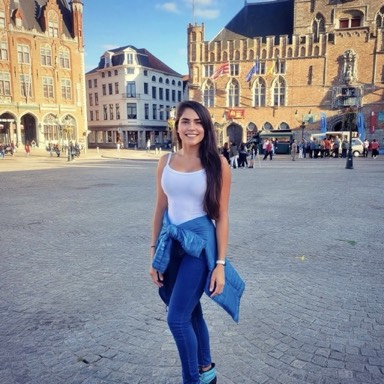
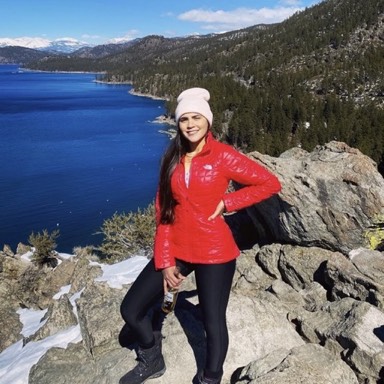
I love exploring new places and hiking. My AI teammates keep working while I sleep, work out, go to the sauna, cook, garden, play ping pong, take my dog to parks and trails, and travel. That time away is when I think, and most of my ideas come from it.





























Why I made this site
I’ve worked this way every day for years: I set the direction, and I question the results. I made this site to show you how I manage that work, including the mistakes and corrections that make the next result better.
My work is software, but yours does not have to be. Start with something useful you can judge. Your agent can follow the guides on this site; you bring the direction, the access it needs and your judgment about the result.
Tag @eduardadotai on X with feedback or requests. My DMs are open too.
Welcome.